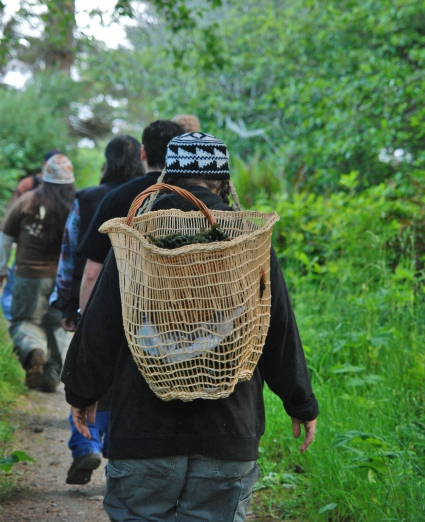
 Many natural resource-focused collaborative processes involve Native American tribes and tribal members whose culture and governance status pose unique considerations for collaborative process design and management. While some mediators and participants may consider tribes to be “just another stakeholder,” in fact many federally-recognized tribes are sovereign nations and their roles and responsibilities in a collaborative process differ from those of other participants. Tribes are not monolithic: each tribe represents a distinct culture, history and governance structure; seldom can one tribe speak for another. Additionally, when given the opportunity, tribes can contribute their Traditional Ecological Knowledge (TEK) to science-intensive discussions.
Unlike other sections of this video-based training tool, we present these Tribal Considerations less as a set of possible prescriptions or best practices than as factors to be considered when designing and managing a process so as to foster broad awareness, understanding and a respectful dialogue. These considerations include:
- Tribal Sovereignty
- Tribal Participation and Process Facilitation
- Traditional Ecological Knowledge